Free tool
Seborrheic dermatitis trigger checker
Paste any product label and we'll flag the fatty acids, oils, heavy occlusives and irritants most commonly reported to aggravate seb-derm — so you can swap before the next flare.
Why use this tool
Malassezia-aware screening
Surfaces fatty substrates that overlap with fungal-acne heuristics, since seb derm and pityrosporum folliculitis share yeast biology.
Heavy occlusive watchlist
Calls out plant butters, lanolin and heavy films that can trap sebum and worsen flares on face and scalp.
Irritant spotlight
High-strength acids, denatured alcohol and loud fragrance get flagged — caution when your skin is already inflamed.
How it works
- 1
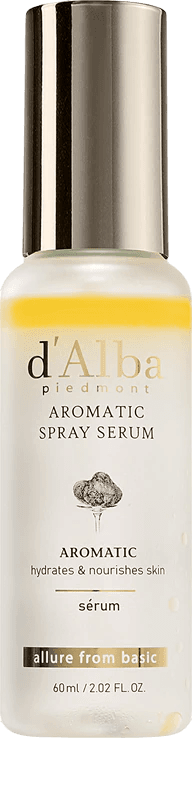
Audit your leave-on products
Focus first on moisturizers, oils, balms and sunscreens that sit on affected areas all day — those are the highest-leverage swaps.
- 2
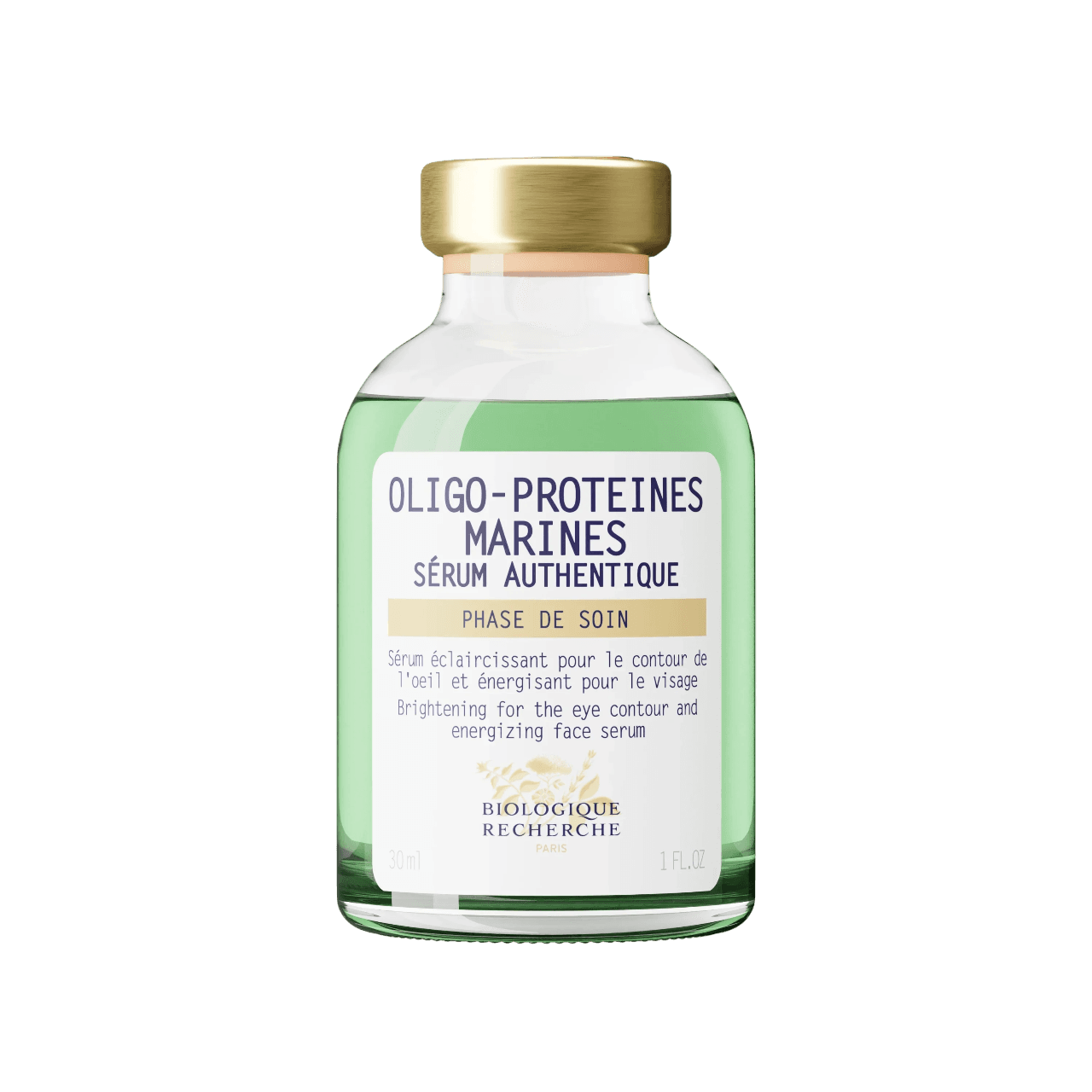
Paste each label into the checker
Get grouped triggers — Malassezia substrates, occlusives, irritants — with a short rationale tied to dermatology literature.
- 3
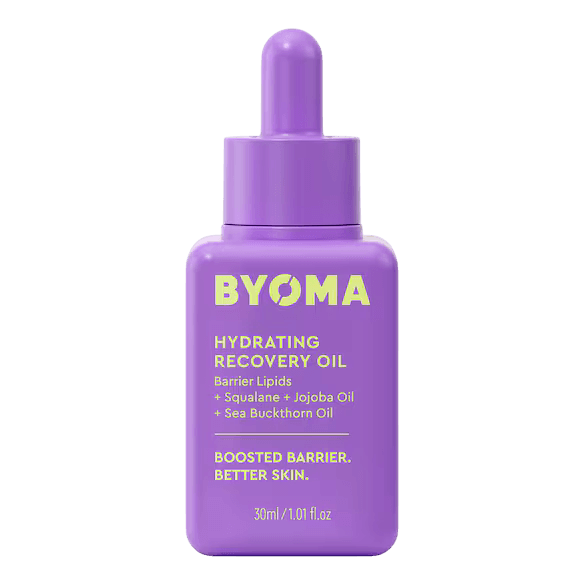
Swap one product per week
Change one thing at a time so you can read flare timing cleanly and rebuild a routine that actually keeps you calm.
Example output
Illustrative preview — exact layout may vary slightly in the app.
Lipid triggers
- Olea Europaea (Olive) Fruit Oil
- Cocos Nucifera (Coconut) Oil
Irritant watch
- Denatured Alcohol (high in formula)
- Limonene / Linalool (fragrance)
Seborrheic dermatitis flares when a stressed skin barrier meets a Malassezia-friendly environment on oil-rich areas — scalp, T-zone, eyebrows, around the nose, sometimes the chest. People with seb derm quickly learn that some plant oils, heavy occlusives and aggressive surfactants reliably tip them into a flare, while gentler equivalents are tolerated for years. The seb derm checker scans any cosmetic label for those repeat offenders.
Triggers are deeply personal: what redens one person's skin can be inert on another's. Use the flagged ingredients to shorten your experimentation window — not to abandon moisturization. Plenty of barrier-friendly alternatives exist, and pairing this screen with a clinician-prescribed antifungal regimen (ketoconazole, ciclopirox, zinc pyrithione) is usually how seb derm gets controlled.
Frequently asked questions
What is seborrheic dermatitis?▼
Seborrheic dermatitis is a chronic inflammatory skin condition that causes redness, flakes and greasy scaling on oil-rich areas — scalp (dandruff), face, eyebrows, around the nose, ears and chest. It's linked to overgrowth of Malassezia yeast on a stressed barrier.
Is seborrheic dermatitis the same as fungal acne?▼
Closely related — both involve Malassezia — but the clinical presentation differs. Fungal acne shows uniform itchy bumps in follicles; seb derm shows redness and greasy flakes. Diagnosis and treatment overlap but aren't identical.
Should I stop using all face oils?▼
Not necessarily. Many people with seb derm tolerate squalane, MCT or mineral oil far better than polyunsaturated botanicals like olive, hempseed or sweet almond. The checker helps you tell which oils to test cautiously.
Will antifungal shampoos and creams interact with these triggers?▼
OTC ketoconazole, ciclopirox or zinc pyrithione washes are the standard adjunct therapy — they reduce yeast load while you remove substrates from your routine. Coordinate the regimen with a clinician for best results.
Can fragrance-free products still trigger a flare?▼
Yes — fragrance is just one possible irritant. Strong actives, denatured alcohol, surfactants like SLS, and certain preservatives can also flare seb derm even when the product is labeled fragrance-free.
Does diet affect seborrheic dermatitis?▼
Evidence is mixed and individual. Topical triggers are easier to test systematically, so most clinicians recommend dialing those in first before chasing dietary changes.
Ready to try it in the app?
Download Macherre for scans, shelves, comparisons, and routines tailored to your skin.
Open the App Store to download Macherre on iPhone.